Computers
Custom PC.
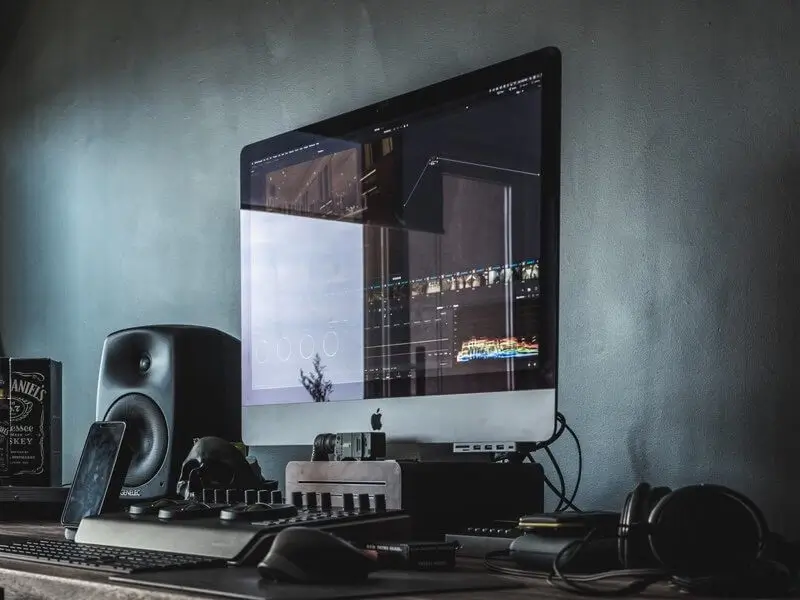
Our purpose-built studio workstation handles multi-stream 4K timelines, colour grading, and rendering. It's the machine that keeps client turnaround times short.
Specs
- Type
- Custom-built desktop editing workstation
- Role
- Primary edit, colour and render machine
- Why custom
- Component-level upgrades as projects get heavier
The machine the heavy work happens on.
Everything that leaves here goes through the workstation. Laptops are for ingest, selects and the occasional rough cut in the field. The desktop is where the multicam gets synced, where the grade gets built, where the noise reduction and stabilisation run, and where the final master is rendered. It is the least visible piece of gear we own and probably the one that determines the most about how a project actually goes.
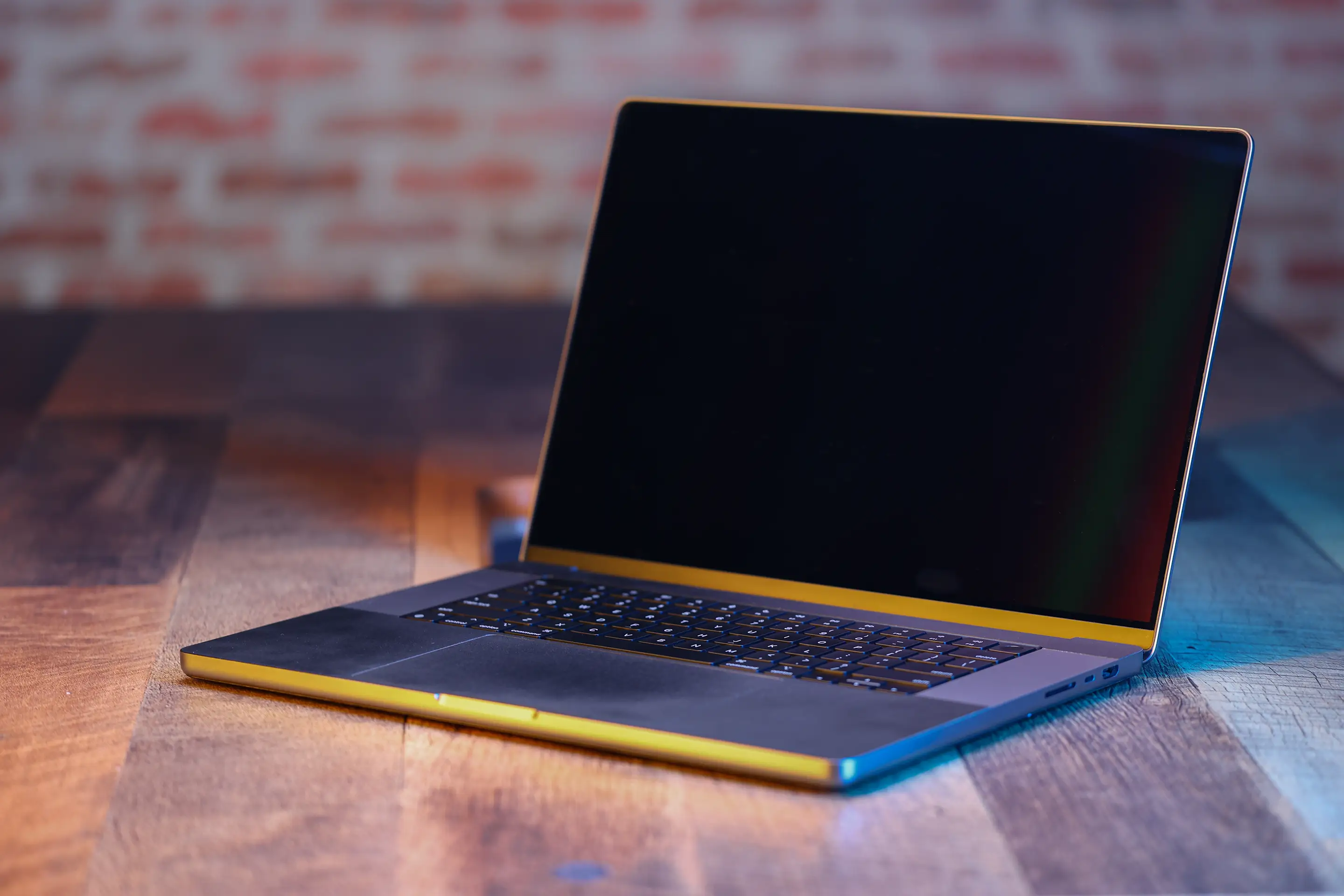
We built it rather than buying it off a shelf, and that is the point. Editing is not one bottleneck, it is several, and they move. A season of interview work stresses different parts of a machine than a season of drone and automotive work. A custom build means we address whatever is actually slow instead of replacing a whole computer because one component aged out.
What we ask of it.
A working video editor's day is a lot of waiting, and the whole job of a workstation is to make the waits short enough that you stay in the edit instead of leaving the room.
- Multicam timelines that play back smoothly instead of stuttering while we cut
- Colour grading in real time, including log footage with a full node tree on it
- GPU-heavy work: noise reduction, stabilisation, warp, and the effects that used to mean an overnight render
- Exports that finish while we are still working rather than shutting the day down
- Fast local storage, so the drive is not the thing holding up the processor
Why it is built, not bought.
A prebuilt machine is a fixed set of compromises chosen by someone who does not know what we shoot. Building it ourselves means the money goes where video work actually consumes it, and it means the machine has a future: a GPU can be swapped when the codecs get heavier, storage can be added when the archive grows, RAM can go up when timelines get denser. None of that requires starting over.
It also means we can be honest about downtime. When a component fails on a prebuilt, the machine goes away for a while. When a part fails here, it gets replaced, usually the same week, and the edit continues.
How it fits the rest of the workflow.
Footage lands on the laptop in the field, gets verified, and comes home to the workstation for the real work. From there it goes to backup and eventually to archive. The desktop sits in the middle of that chain, and it is the only place in the pipeline where the machine's speed is directly the client's delivery date. That is why it gets the attention it gets.