


#1 // Preparing the Vehicle for the Shoot
Clean Your Vehicle Thoroughly
The last thing you want is to touch up dust, dirt, scratches, or blemishes on your beautiful vehicle. While you might not notice them, your camera sensor picks up a lot of detail.
Clean the entire vehicle with a waterless automotive cleaner that includes a polish, using a soft microfiber cloth to avoid scratches.
For interiors, use a detailer solution + polish to give everything a clean, glossy shine.
Keep Detailing During the Shoot
Do a quick detail of the vehicle every time you move locations. Don't forget to clean the tires.
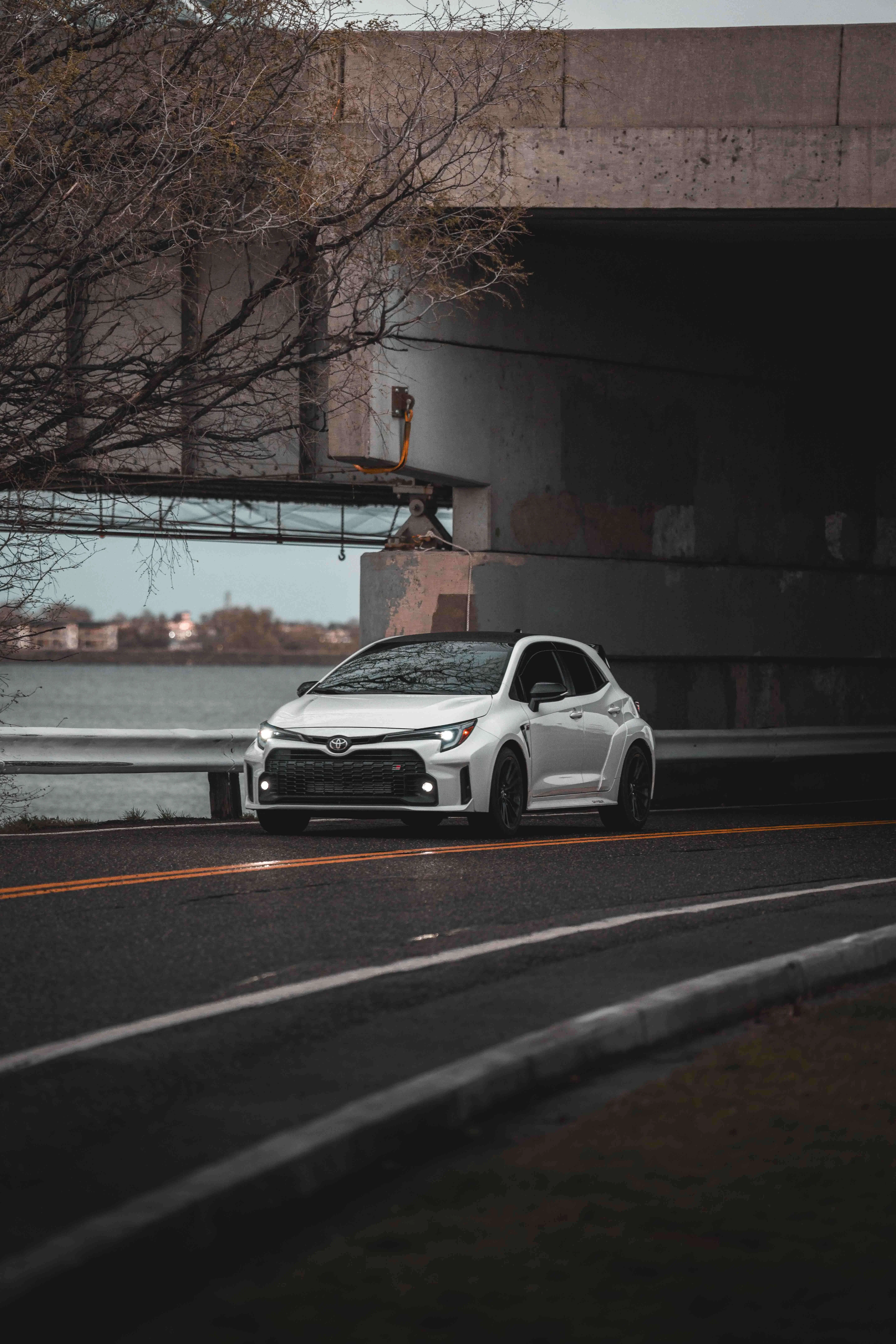
Remove the front license plate and license plate holder, so the grille looks clean, and the shot is commercial-ready. Bring appropriate tools in advance, as some plates require specialized screwdrivers.
#2 // Choosing the Perfect Location
Importance of Location
One of the most important factors in vehicle photography, aside from the car, is the location. It sets the tone and creates an emotional image.
How to Scout Locations
Scout locations ahead of time and save them using apps like Google Maps or Apple Maps, where you can upload images, save GPS coordinates, and leave notes for yourself.
Ask fellow photographers for location tips and check Instagram location tags to scout remotely.
Visit the location at the time of day you'll be shooting to ensure the light matches.
Location Tips for Car Photography
Avoid graffiti or street art in the foreground if shooting for a brand, as you may need to license these elements.
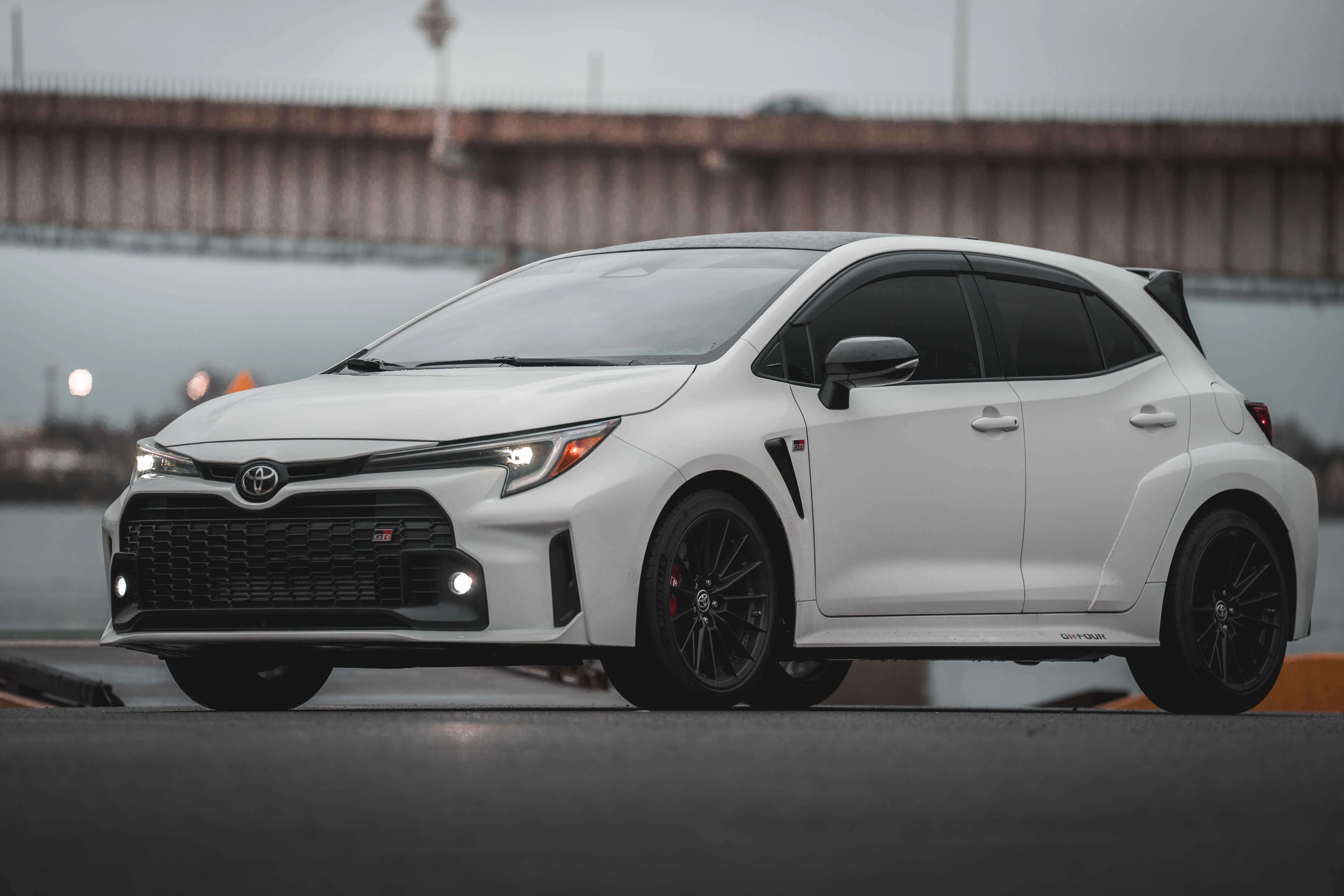
Consider locations that contrast or complement your vehicle, like a grunge factory setting for a luxury car or a forest scene for an off-road SUV.
Secure location permits for bigger shoots, or shoot first and apologize later.
#3 // Positioning the Car for the Perfect Shot
Key Car Angles
Certain angles make cars look powerful, like a low quarter angle stance. A chest-height quarter angle offers a neutral yet slightly aggressive look, while a side profile gives a painterly feel.
Avoid shooting with wide angles at close range, as this will distort the car's features.
Positioning and Testing the Look
Most shots should be taken at chest/eye level to capture the car's organic shape without distortion.
Test different stances at the location before settling on the final shot.
#4 // Shooting the Car
Use a Circular Polarizer
A circular polarizer is essential for minimizing reflections on the car's glass and body. Rotate it to adjust the reflection levels.
Lens and Camera Settings
Avoid shooting with lenses wider than 24mm unless going for an artistic shot.
Use a 50mm or tighter lens for frame compression and a cinematic look.
Keep ISO as low as possible (ISO 100 during the day).
Always shoot in RAW for flexibility in post-processing.
Night Shooting Techniques
Use a tripod for night shoots, keeping your ISO low by using a slow shutter speed (1-3 seconds).
Light paint the car with a handheld LED to add dynamic lighting effects.
Capture Different Perspectives
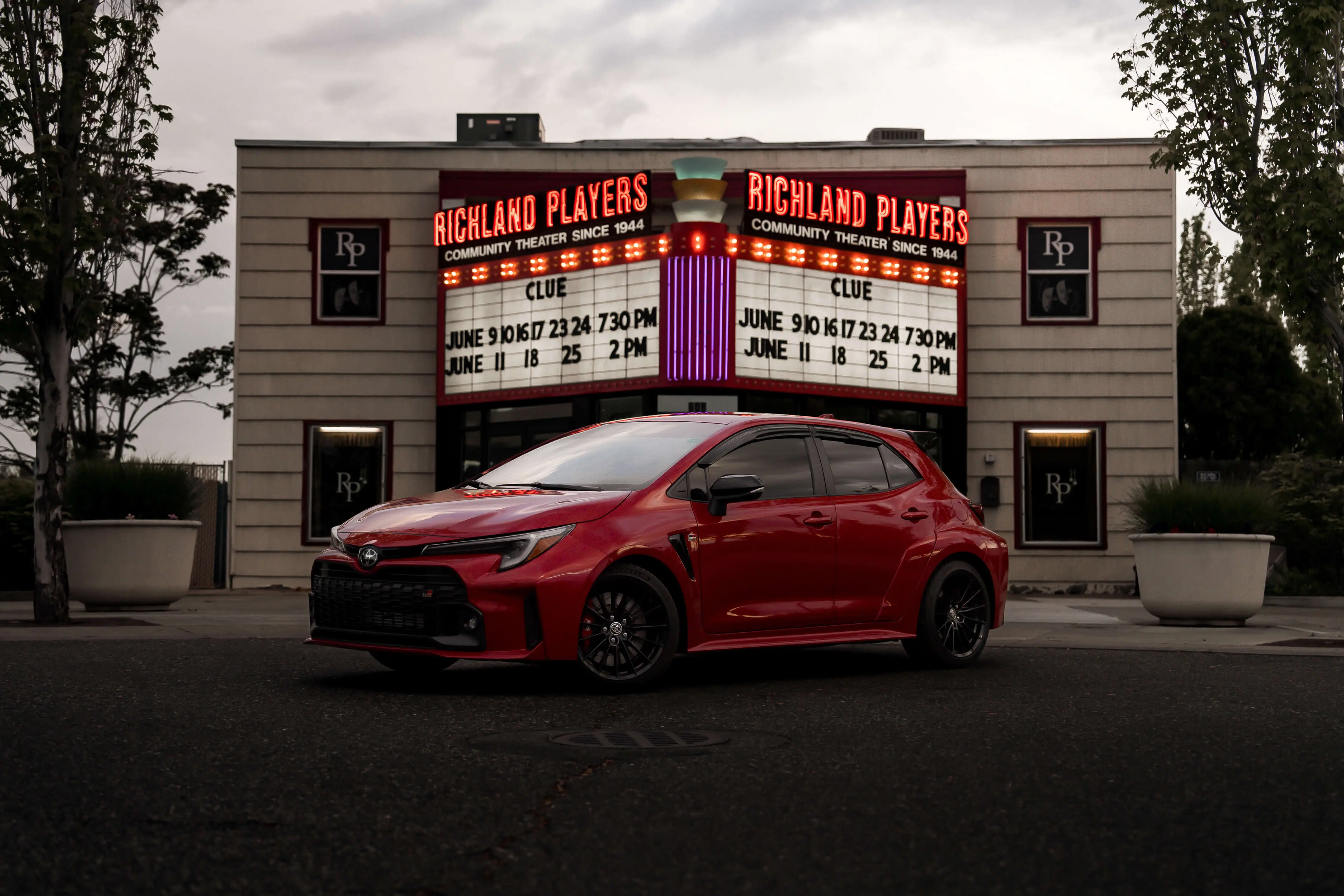
Capture a range of wide-angle, medium-angle, and close-up shots to create a story about the car.
#5 // Editing and Color Grading Your Images
Base Grade and Fixes
Start with a base grade using Camera Raw, adjusting highlights, shadows, and clarity.
Create new layers to fix bad reflections, dirt, and unwanted objects.
Final Grade and Exporting
Group your layers into a smart object and apply Camera Raw for the final grade.
Save the image as a JPG with sRGB color space, ensuring it looks the same on both your computer and phone.
#6 // Pro Tips to Set Yourself Apart
Practice and Build a Portfolio
If you're not working with big brands yet, rent a luxury car from Turo or borrow one from a friend to set up a mock shoot. The possibilities are really endless, and it leaves a huge space for creativity.
Ready to elevate your next project?
Book Us for Your Next ProjectNotice something inaccurate or missing from this guide? We're committed to keeping our content accurate and helpful. If you spot an error or have additional insights to share, please email us at Labs@MinicMedia.com