Cameras
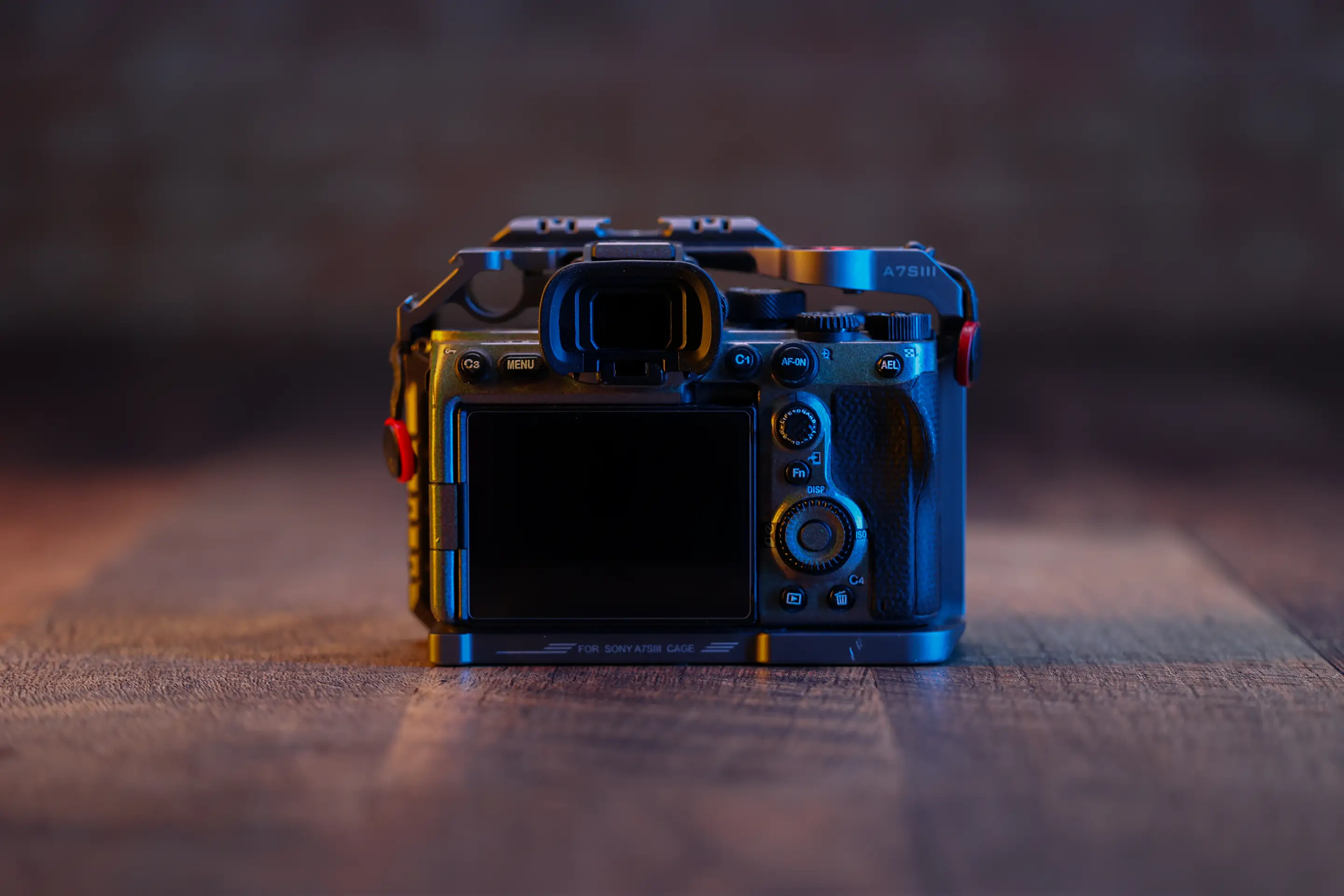
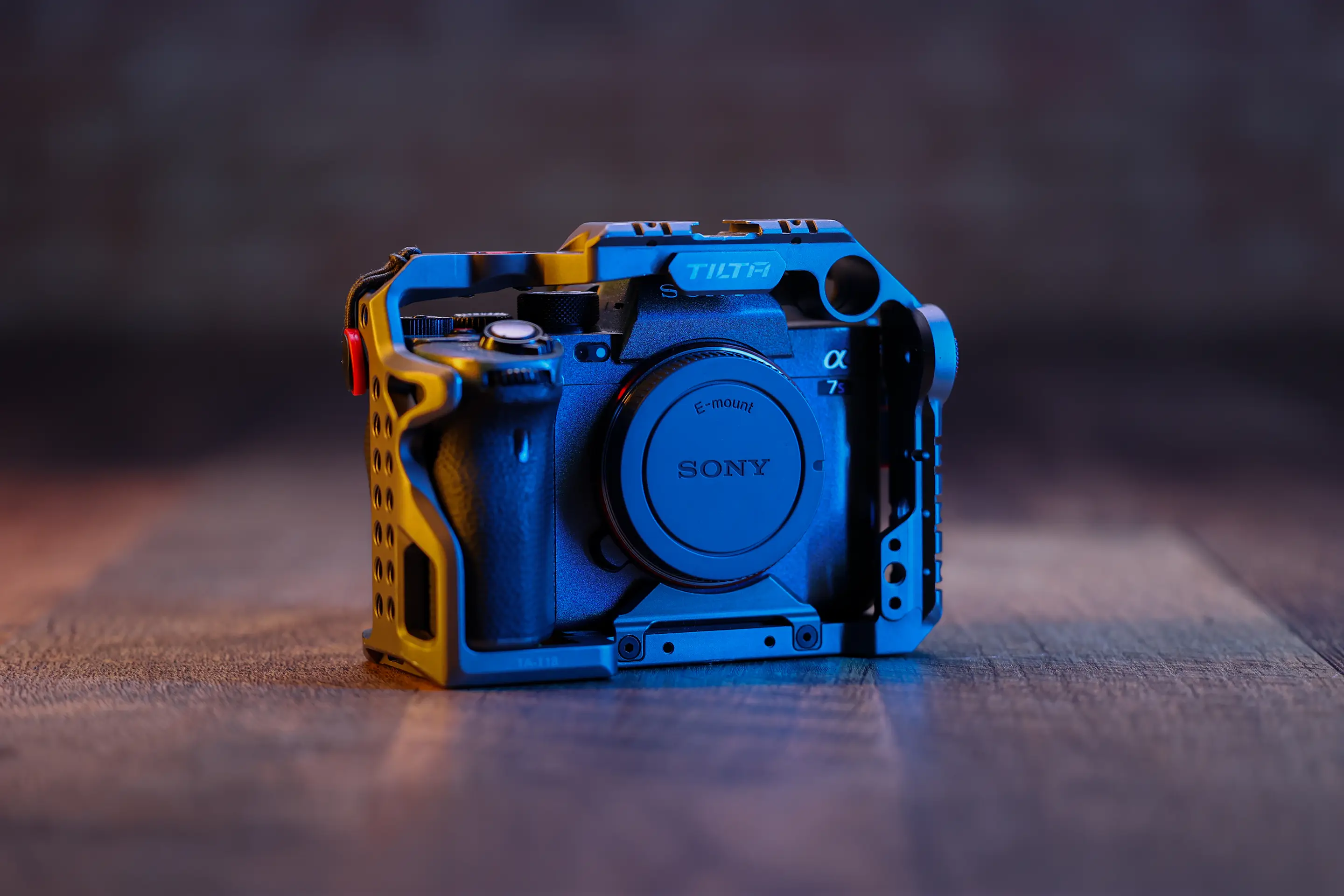
Sony A7S3.
The Sony A7S III is our low-light specialist. Its full-frame sensor stays clean at high ISO, making it the camera we reach for at dim reception venues and night automotive shoots where adding light isn't an option.
Specs
- Sensor
- 12.1MP full-frame back-illuminated Exmor R CMOS
- Video
- 4K up to 120p; 4K 60p with no crop
- Internal Recording
- 10-bit 4:2:2, including XAVC S-I All-Intra
- ISO Range
- 100–102,400, expandable to 409,600
- Dynamic Range
- 15+ stops (Sony rated)
- Autofocus
- 759-point phase-detection AF
- Storage
- Dual slots, each CFexpress Type A or SD UHS-II
The Low-Light Workhorse.
The Sony a7S III is built around a 12.1MP full-frame sensor, and every time someone reads that number out loud it sounds like a downgrade. It is not. Those large photosites are the entire reason the camera sees in the dark. Sony rates the sensor at 15+ stops of dynamic range and the ISO runs to 102,400 natively, expandable to 409,600. For a Seattle wedding videographer working a reception where the DJ lighting is the lighting, that is the difference between usable footage and noise.
We do not shoot at the top of the ISO range as a habit. What we get instead is margin. Pushing to a high ISO when the room goes dim during the last dance is a normal move on this body, not a compromise we have to explain to a client later.
Frame Rates and Color.
The a7S III records 4K up to 120p, and 4K 60p with no sensor crop, which matters more than it sounds like it should. A crop changes your effective focal length mid-shoot and forces a lens swap you did not plan for. Being able to jump to 60p on the same lens, in the same position, keeps us moving during a ceremony or a live event.
Everything records internally in 10-bit 4:2:2, and All-Intra codecs are available when we want the cleanest possible file to grade. Shooting S-Log3 gives our colorist real latitude in the highlights, and S-Cinetone gets us a finished-looking image faster on quick-turnaround corporate and social deliverables.
What We Shoot With It.
- Wedding receptions, night ceremonies, and dim venue coverage
- Corporate and brand interviews with minimal lighting footprint
- Automotive work at dusk and after dark
- Live events and concerts where we cannot add light
- Documentary and run-and-gun coverage across the Pacific Northwest
On Set and In the Field.
The 759-point phase-detection autofocus holds a face across a room, which lets a single operator cover a moving subject without a focus puller. The 9.44M-dot viewfinder is genuinely useful outdoors, where an LCD washes out in the first bright hour we get all week.
Both card slots take CFexpress Type A or SD UHS-II, so we can run fast cards for high frame rates and still fall back to SD for redundant recording on a wedding day. The a7S III is the body we reach for when the schedule is unforgiving and the light is not, and it anchors most of our video production work from Richland out to Spokane, Portland, and Boise.