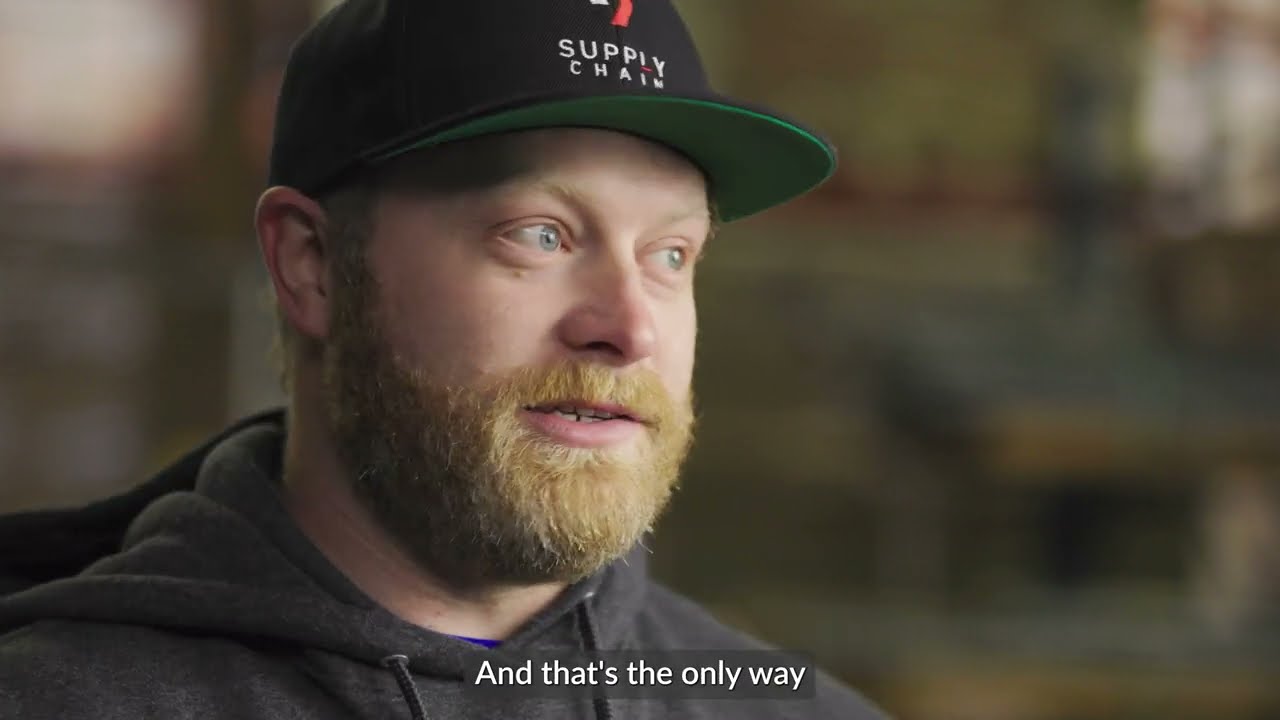
Planning a successful interview video shoot requires four things: a clear business goal, the right subjects, a discussion guide (not a script), and a location prepped for professional lighting and sound. Customer testimonials, employee spotlights, executive thought leadership, case studies — they all follow the same production framework. This guide covers everything you need to plan a successful shoot, from choosing your location to delivering final cuts your audience will actually watch.
We've produced 200+ interviews across industries. See our interview video services and pricing.
Step 1: Define the Goal and the Subject
Start with the business goal, not the subject. A customer testimonial for a product sales page, an employee spotlight for a job listing, and an executive thought leadership video for a conference — these all look like “interview videos” but they serve completely different purposes and require different approaches.
Once the goal is clear, choose your subject strategically. For testimonials, the best subjects have specific, quantifiable results to share — not just general satisfaction. For employee spotlights, choose people who are genuinely enthusiastic about their work and can articulate what makes the company different. For executive content, choose leaders who are comfortable on camera and have a genuine point of view (not just company talking points).
Step 2: Choose the Right Location
The location communicates before the subject says a word. An office background says “professional.” A warehouse floor says “we get our hands dirty.” A clean studio setup says “we take quality seriously.” Choose based on what story you want the environment to tell.
For most corporate interviews, we recommend filming on-location at the client's actual workspace. It's authentic, it's free, and it provides b-roll opportunities that a rented studio doesn't. Before shoot day, we scout the space to identify the best corner, check ambient lighting, and flag any noise issues (HVAC systems, open offices, construction) that need to be managed.
Common location issues to solve in advance: ensure the background is clean and non-distracting, confirm there's enough space for a two-camera setup, and verify that noise-sensitive areas can be isolated during the shoot window.
Step 3: Use Discussion Guides, Not Scripts
The biggest mistake in interview video planning is giving your subjects a script. Scripted interviews look scripted. Audiences can tell, and they trust the content less because of it. Discussion guides — open-ended prompts designed to draw out specific, genuine responses — produce far more compelling and authentic content.
A good discussion guide for a customer testimonial might include prompts like: “Tell me what your situation was like before you started working with us,” “Walk me through a specific result you saw,” and “What would you tell someone who was considering working with us?” These prompts invite specific, narrative answers rather than general praise.
Share the discussion guide with subjects at least 48 hours before the shoot so they can think through their responses. Make clear they don't need to memorize anything — you'll guide the conversation naturally and can retake any response that doesn't land the way they intended.
Step 4: Brief Your Subjects Properly
Camera anxiety is normal and almost universal. The best pre-shoot briefing addresses it directly. Tell your subjects: you'll be doing multiple takes, nothing is “ruined” by a stumble, and the goal is a natural conversation, not a perfect performance. This framing reduces pressure significantly.
Practical logistics to communicate before shoot day: dress in solid colors (avoid fine patterns, which strobe on camera), arrive 15 minutes early for a brief technical walkthrough, avoid heavy cologne or perfume if using lavalier mics, and plan for approximately 30–60 minutes of on-camera time per subject.
On our shoots, we do a brief “warm-up” conversation before rolling cameras — asking casual questions, adjusting mic levels, getting the subject comfortable in the chair. By the time we're recording, most people have forgotten they were nervous.
Step 5: Prioritize Audio
Viewers will tolerate imperfect video. They will not tolerate bad audio. Clean, clear dialogue is non-negotiable for interview content. We record every interview with at least two audio sources: a lavalier microphone on the subject and a directional shotgun microphone positioned just outside the frame. If one has an issue, the other is backup.
For larger productions or panel formats, a direct board feed from the house audio system is the gold standard — but on-location at offices, lav plus shotgun is the standard and produces broadcast-quality audio when the room is properly managed. Always do a complete audio check before starting — mic levels, room tone, and a 30-second test recording reviewed on headphones.
Step 6: Plan Your Deliverables Before the Shoot
The biggest efficiency mistake in interview video production is not planning deliverables until after the shoot. Different distribution channels require different footage. If you know you need a 2-minute web version, a 60-second LinkedIn version, and a 30-second ad cut, that changes how the interview is directed — you need enough quotable moments, b-roll coverage, and pick-up shots to support all three formats.
Before shoot day, define: the primary cut length and format, any platform-specific versions needed (square or vertical for social), whether you need raw footage for future use, and your revision process. Locking these decisions upfront eliminates post-production scope creep and allows us to shoot with purpose.
Ready to plan your interview video? See our interview and testimonial video packages — single subject from $1,500, multi-interview day from $3,000.
Related Questions.
How long should a testimonial video be?
The ideal testimonial video length is 60–90 seconds for social media and most website placements. For sales pages and case study formats, 2–3 minutes is acceptable. Longer than 3 minutes significantly reduces completion rates. Plan your interview to capture 10–15 minutes of footage so editors have enough material to build a tight, compelling cut.
Should testimonial videos be scripted?
No — scripted testimonials read as fake and reduce trust. Use discussion guides with open-ended questions (“What was the problem before you worked with us?”, “What result did you see?”) rather than scripts. Natural, conversational delivery is what makes testimonials persuasive. Most people relax within the first 10 minutes of filming and forget the camera is there.
How many testimonials does a company need?
Three to five strong testimonials covering different customer profiles (industry, company size, use case) is enough for most businesses. One testimonial per major service line or product category is a good rule of thumb. Diversity matters more than volume — five testimonials from identical customers is less persuasive than three from distinct segments.
Notice something inaccurate or have a question? Email us at Info@MinicMedia.com