
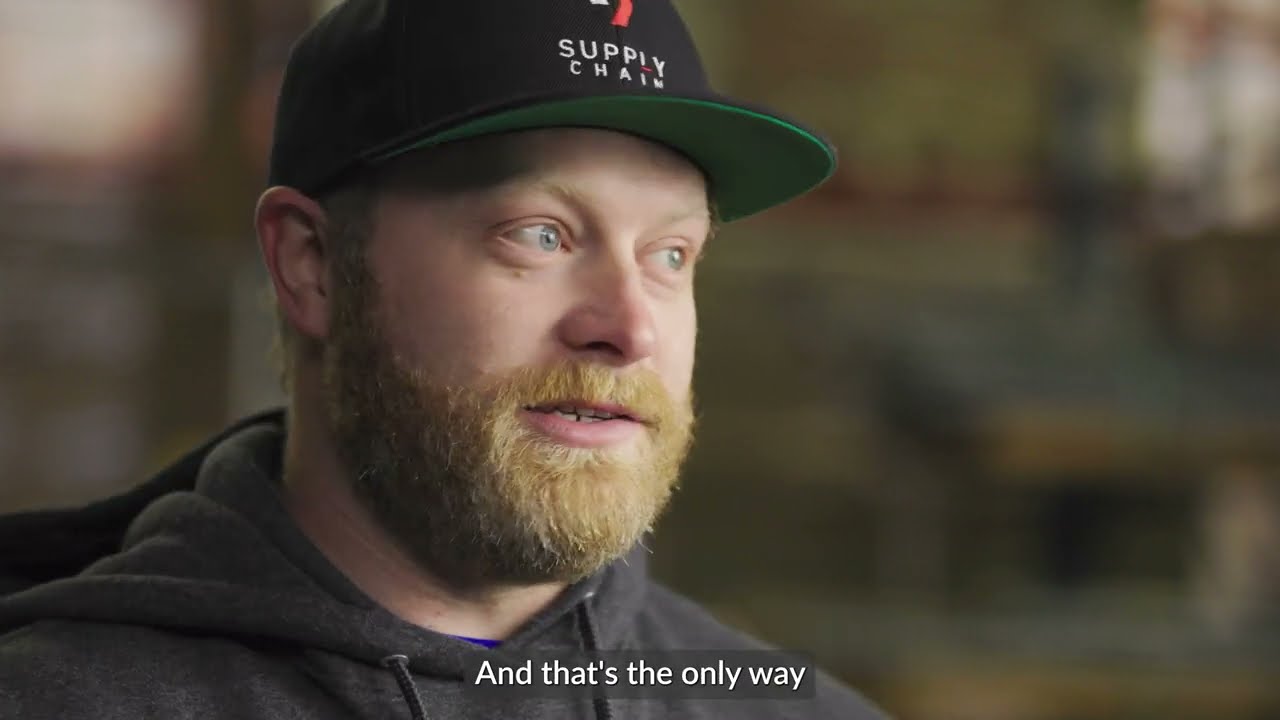

Recruitment videos reduce hiring timelines by giving candidates an authentic look at company culture before they apply — and Seattle's competitive talent market makes them essential. Tech, healthcare, manufacturing, trades, professional services — across every sector, qualified candidates have options, and they evaluate employers before the first conversation. Companies that show before they tell are consistently winning the candidates that text-heavy job listings never reach.
We've produced employee spotlights and culture videos for companies across Washington. See our interview and testimonial video services.
The Seattle Hiring Problem
Seattle's job market is simultaneously one of the most competitive in the country and one of the most candidate-friendly. Amazon, Microsoft, Boeing, and hundreds of funded startups compete for the same technical talent. Healthcare systems battle for nurses and specialists. Trades contractors can't hire fast enough. And in every category, candidates are researching employers on LinkedIn, Glassdoor, and YouTube before they apply.
The companies winning at hiring in this environment are the ones that give candidates something to watch. A 90-second culture video on a job listing converts browsers into applicants. An employee spotlight on LinkedIn gets referral applications. A day-in-the-life video on your careers page answers the questions candidates are too polite to ask in an interview.
The ROI of Recruitment Video
The numbers on recruitment video are consistent across industries. Job postings with video receive 34% more applications than text-only listings. Companies using video in their hiring process report 50% reductions in time-to-hire for competitive roles. And because a recruitment video has a shelf life of 18–24 months (longer for culture-focused content), the cost-per-hire impact compounds over multiple hiring cycles.
The more meaningful ROI calculation is the cost of a bad hire or an unfilled position. For a skilled trade role in Seattle, an unfilled position can cost $5,000–$15,000 per month in lost productivity and contractor coverage. If a $3,000 recruitment video accelerates one hire by 30 days, it pays for itself. If it filters out mismatched candidates before the interview stage, it saves HR hours across every hiring cycle.
Types of Recruitment Video Content
Not all recruitment content serves the same candidate. Match the format to where candidates are in their decision process:
- Culture Video: A 60–120 second overview of who you are, what the team looks like, and why people choose to work there. Lives on your homepage, LinkedIn, and careers page. Works best at the top of the funnel — catching passive candidates who weren't actively looking.
- Employee Spotlight: A sit-down interview with one or two employees talking honestly about their role, their growth, and what they value about the company. These are your most credible piece of recruitment content because it's a real person speaking in their own words. We've produced spotlights for roles from warehouse associates to senior engineers.
- Day in the Life: A follow-along format showing what a typical work day actually looks like. Especially effective for trades, healthcare, and roles where candidates want to know the physical environment and pace of work before committing to an interview.
- Leadership Message: A short, direct message from a founder, CEO, or department head speaking directly to prospective candidates. Works particularly well for senior roles or companies where leadership visibility is a competitive differentiator.
- Team Feature: Multiple short interviews from team members across departments — diverse voices, diverse roles. Signals that the company is large enough to have culture but human enough that individuals matter. Highly shareable on LinkedIn.
What Makes a Recruitment Video Actually Convert
The single biggest predictor of recruitment video effectiveness is authenticity. Polished corporate speak that sounds like an HR brochure performs poorly. Real people, speaking in their own words, about specific aspects of their actual experience — that converts. Candidates are skilled at detecting inauthenticity, and a recruitment video that feels produced for PR purposes backfires.
Practically, this means: don't script. Use discussion guides that draw out genuine, specific responses. Feature employees across different roles and tenures — not just long-timers who love the company. Include honest answers to common candidate concerns (work-life balance, management style, growth path). Show the actual workspace, not a staged conference room. These choices require some courage from HR and leadership — but they produce content that actually moves candidates.
The technical quality still matters. Candidates do judge production quality as a proxy for how seriously the company takes its employer brand. A blurry, poorly-lit office interview on a phone camera signals something about the company's standards. Professional production — clean lighting, broadcast audio, multiple camera angles — signals that this is a company that invests in quality. The bar is professional, not cinematic.
Timeline and Investment
A single employee spotlight or culture video — one subject, one location, full post-production — starts at $1,500 and delivers within 1–2 weeks. A multi-day shoot capturing 4–6 team members across departments, with multiple edited cuts and social versions, starts at $3,000–$5,000. Ongoing retainer arrangements for companies with regular hiring needs (typically one shoot day per quarter) are available.
The most efficient starting point: identify the one or two roles you consistently struggle to fill, and build recruitment content specifically for those candidates. A targeted video addressing the exact concerns of your hardest-to-hire demographic will outperform a generic company culture video every time.
We've produced recruitment and employee spotlight content for companies across Washington state. See our interview video packages — or contact us to scope your recruitment video.
Related Questions.
What makes a great recruitment video?
The best recruitment videos show real employees speaking authentically about their work — not a scripted message from HR. They answer the candidate's unspoken question: “What is it actually like to work here?” Elements that consistently perform: real workspaces (not stock footage), specific role details, culture moments, and genuine employee testimonials covering growth, team dynamic, and day-to-day environment.
Where should companies post recruitment videos?
LinkedIn is the highest-ROI platform for B2B and professional roles. YouTube works for evergreen SEO — candidates researching your company will find it. Embed on your careers page and individual job postings for the highest conversion impact. Instagram and TikTok are effective for trades, hospitality, and roles targeting younger candidates. Plan one video and resize it for all platforms in a single pass.
Notice something inaccurate or have a question? Email us at Info@MinicMedia.com


