Lenses
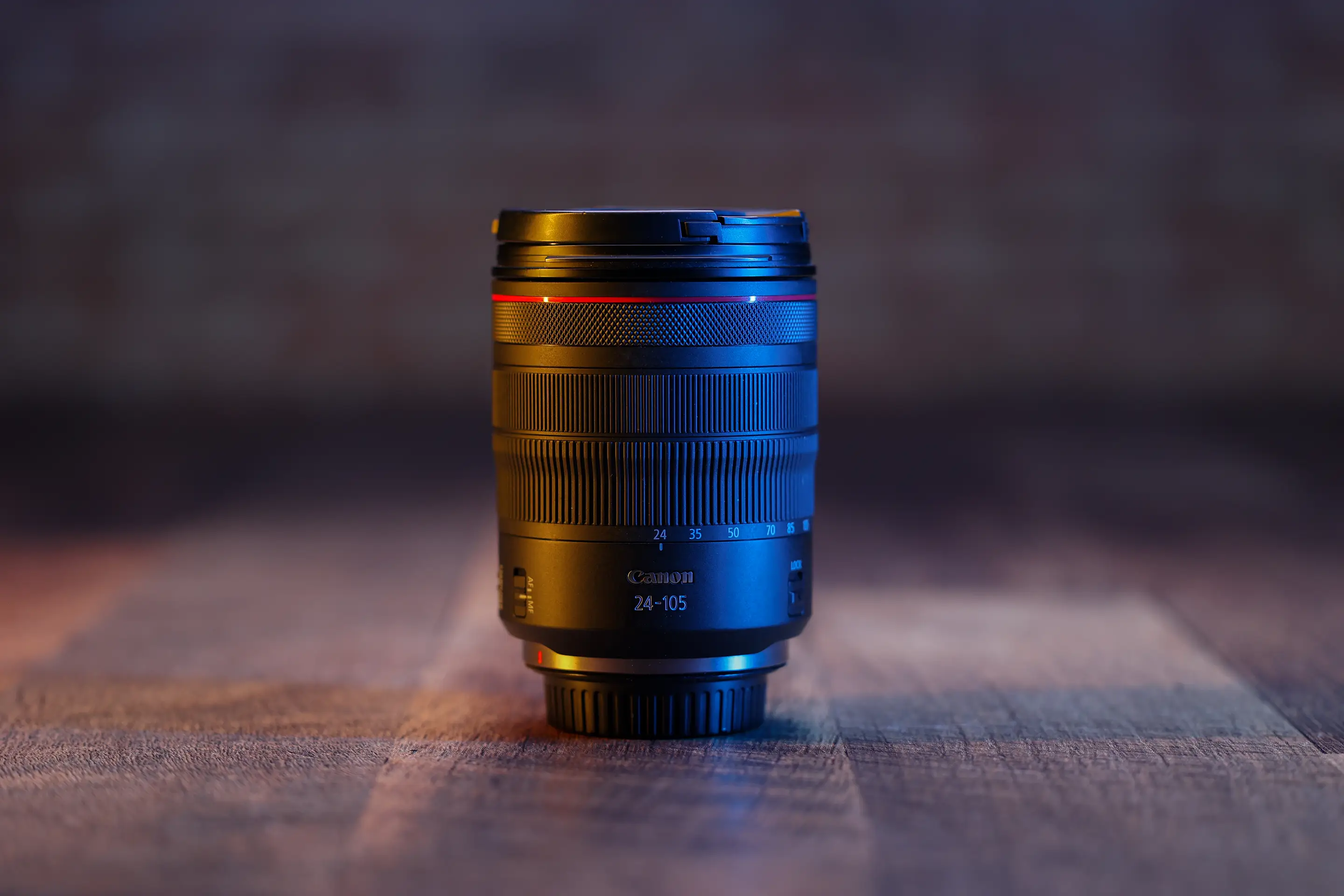
Canon RF 24-105mm F/4.
The Canon RF 24-105mm f/4 is the walk-around zoom that covers wide through short telephoto without a lens change. It lives on the R6 for real estate walkthroughs and event coverage.
Specs
- Focal length
- 24-105mm
- Maximum aperture
- f/4, constant across the zoom range
- Minimum aperture
- f/22
- Stabilization
- Optical Image Stabilizer, rated up to 5 stops
- Minimum focus distance
- 0.45m (approx. 18 in)
- Filter size
- 77mm
- Mount
- Canon RF
The lens that stays on the camera.
Every production kit needs one lens you can point at anything. The Canon RF 24-105mm f/4L IS USM is ours. It covers wide establishing shots at 24mm, a natural working frame in the middle of the range, and a short telephoto at 105mm that is long enough for a clean portrait — all without breaking the camera down and swapping glass while something is happening in front of you.
That flexibility is the whole point. On a run-and-gun corporate shoot or a fast commercial day, the time cost of changing lenses is real, and so is the risk of dust on a sensor in a warehouse or a job site. A single L-series zoom that holds f/4 from end to end means we can reframe from a wide room shot to a tight detail in one motion and keep exposure locked.
What we shoot with it.
- Real estate walkthroughs and property tours, where 24mm shows a room honestly and 105mm picks out finishes
- Corporate and brand video on location — offices, shops, clinics, job sites
- Event and conference coverage where the schedule does not stop for a lens change
- Behind-the-scenes and documentary B-roll during longer production days
- Gimbal and stabilized moves, where the built-in stabilizer and the mid-range reach do most of the work
Stabilization and low light.
The optical stabilizer in this lens is rated at up to five stops, and on a modern RF body that combines with the camera's in-body stabilization. In practice it means handheld walking shots hold together, slow push-ins do not wobble, and we can shoot an interior real estate tour without dragging a slider into every room. For a photographer or videographer working a long day alone, that matters more than a spec sheet suggests.
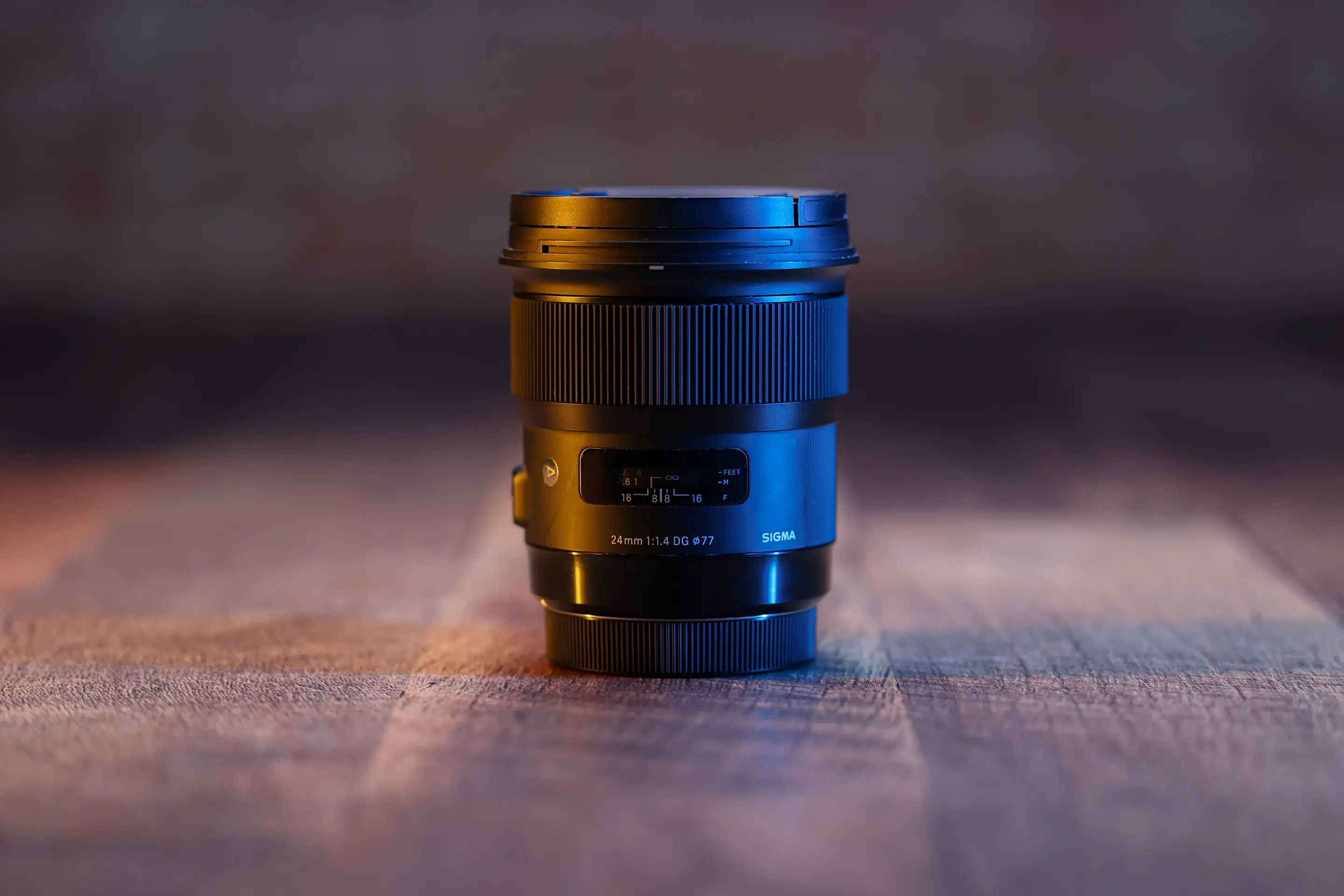
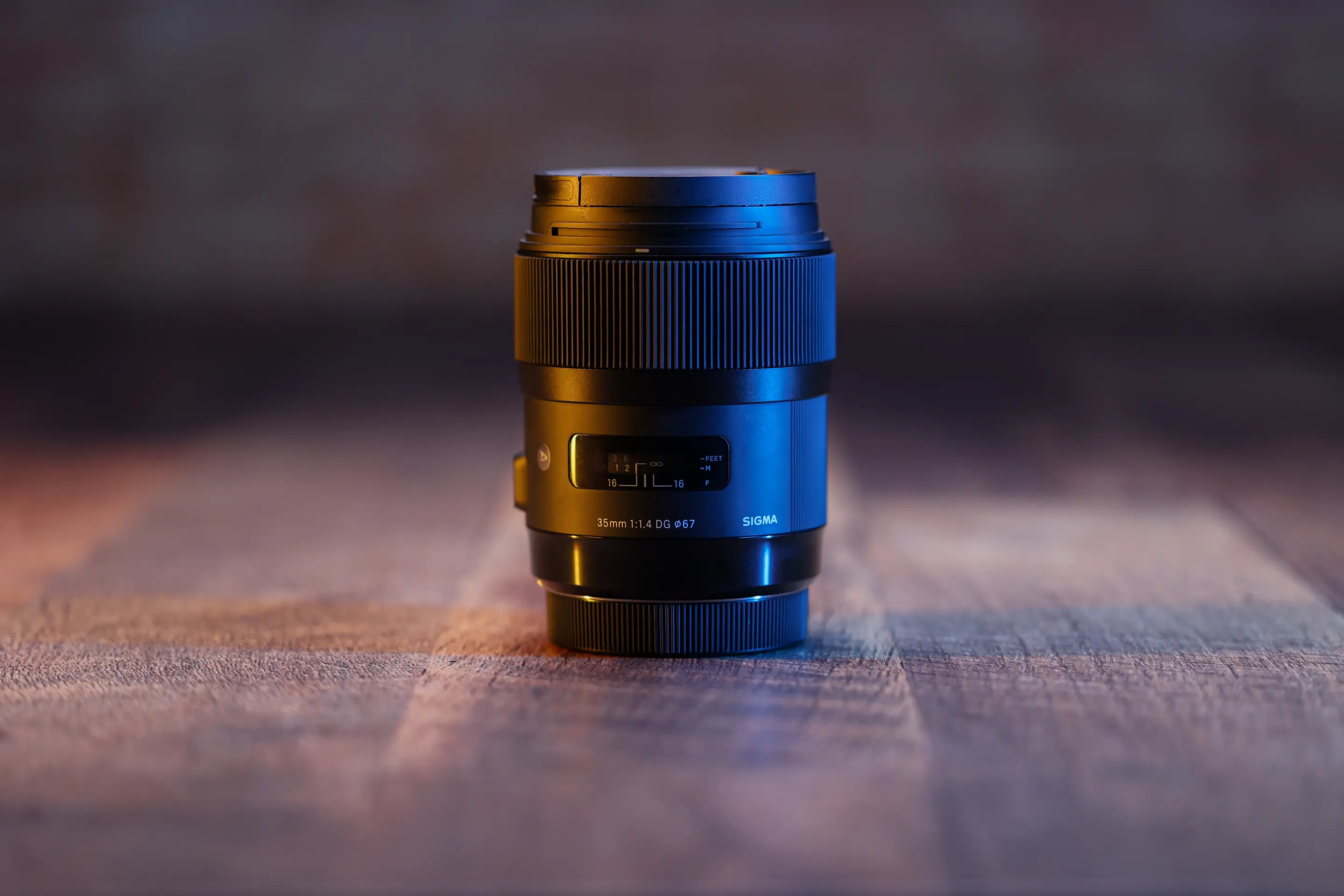
The honest limitation is the aperture. f/4 is a stop and a half slower than the fast primes we carry, so it is not the lens we hand the second shooter for a dim reception or a candlelit ceremony. Modern sensors handle the ISO better than they used to, but when the light gets truly low we swap to a 35mm or 50mm prime and accept the fixed frame in exchange for the light.
Where it fits in the kit.
We think of the 24-105 as the coverage lens and the primes as the look lenses. On a commercial or real estate job in Richland, Seattle, or anywhere in between, it is what gets the shot list finished on schedule — and it focuses close enough, at roughly a foot and a half, to grab a product or detail insert without reaching for anything else.