Monitors
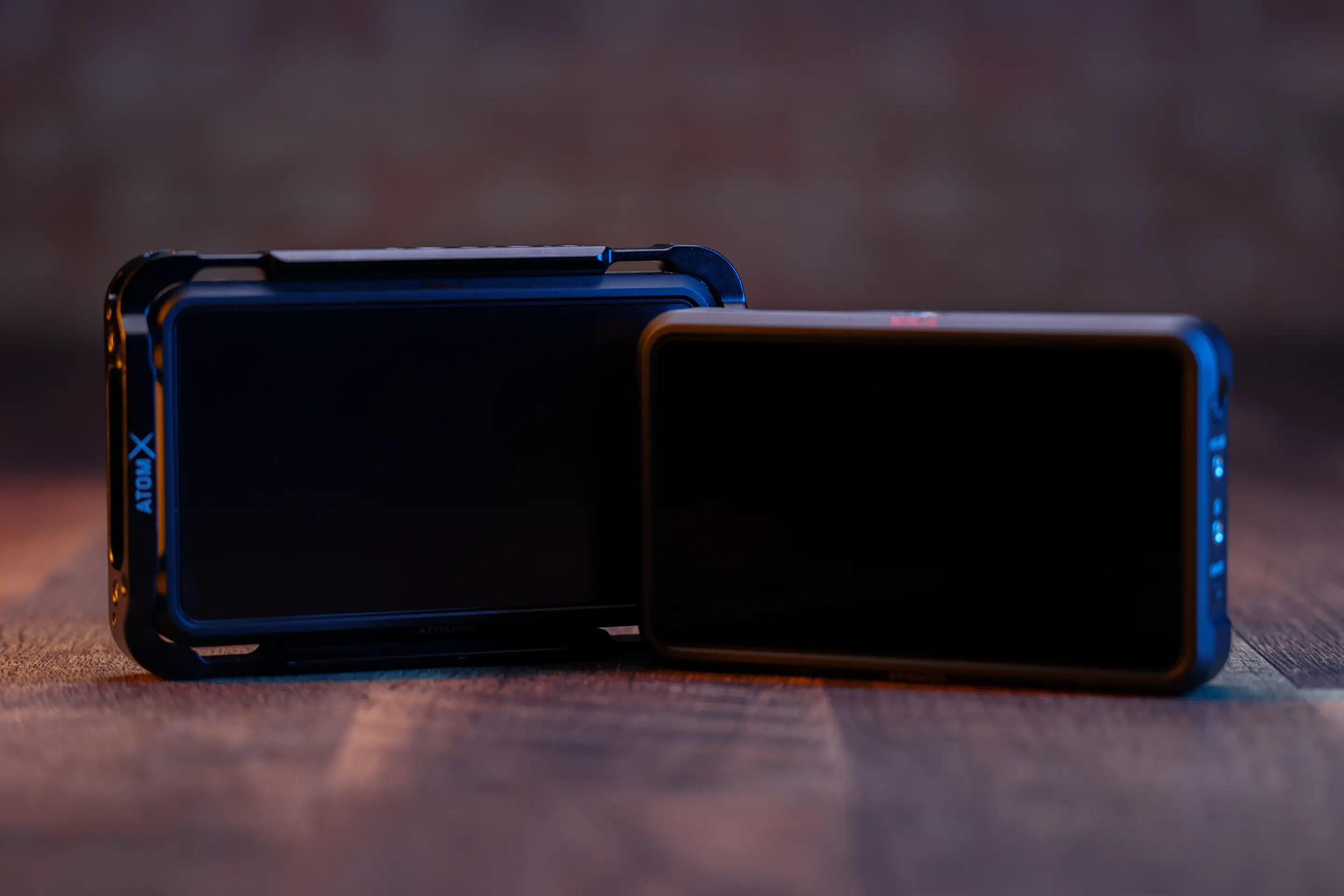
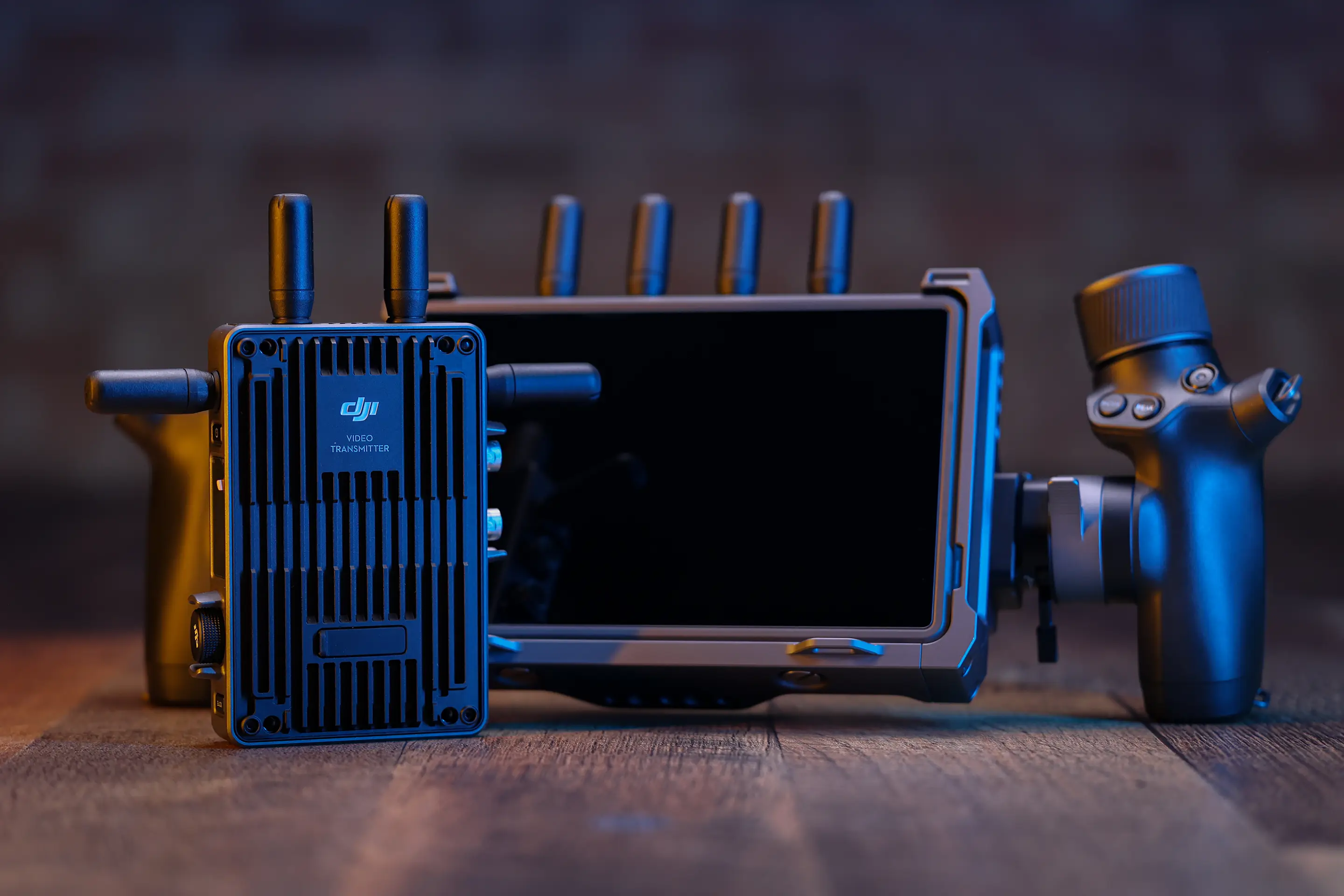
High Bright Monitor.
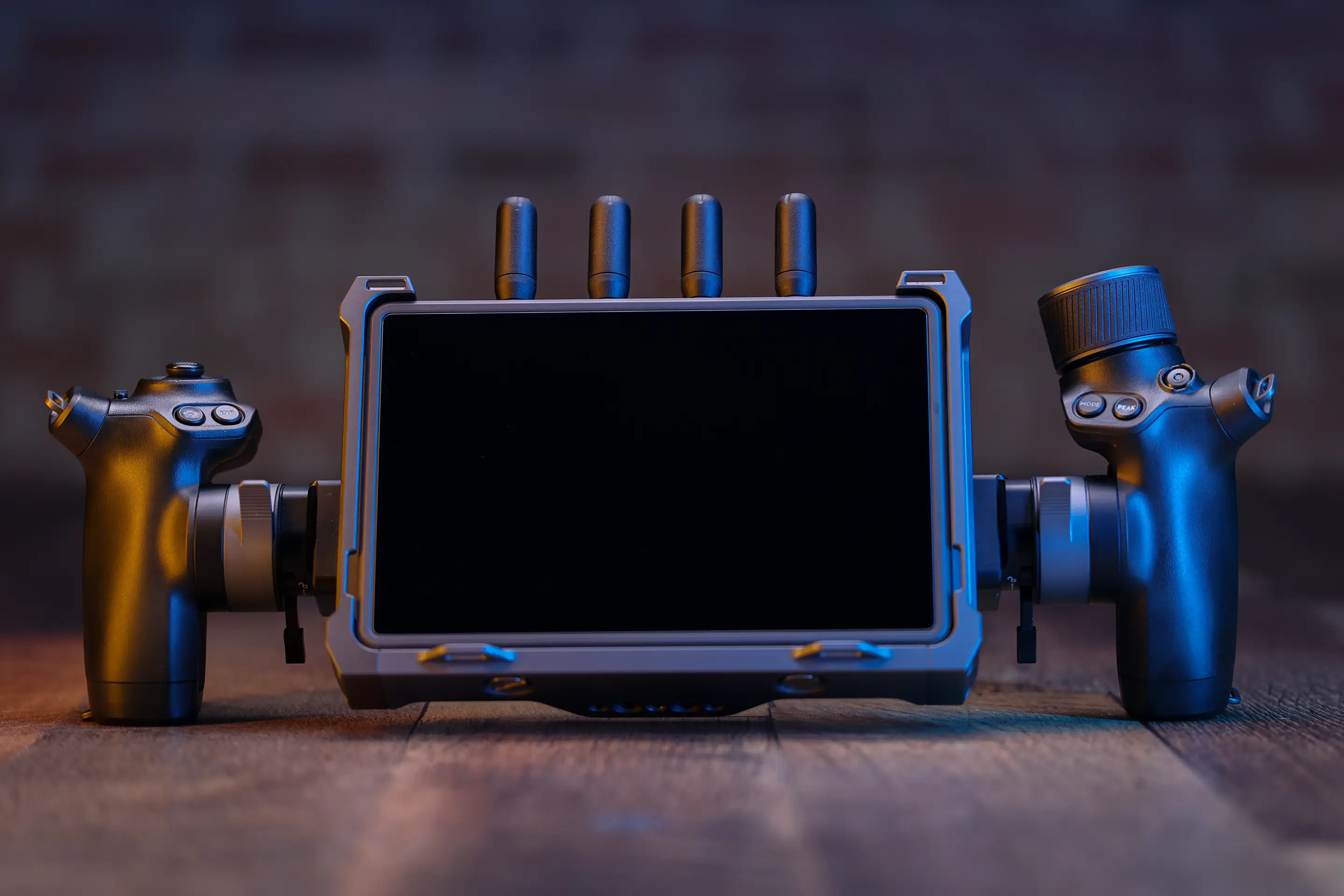
A high-brightness field monitor that stays readable in direct sun. Outdoors in a Pacific Northwest summer a standard screen washes out — this is how we still judge focus and exposure.
Specs
- Type
- Daylight-viewable on-camera monitor
- Primary use
- Focus, exposure and framing outdoors
- Monitoring tools
- LUT preview for log footage, focus and exposure aids
The screen you can actually see in the sun.
A high-bright monitor exists to solve one problem: a normal screen is useless outdoors. Point a standard camera display at the sky on a clear day and you get a reflection of your own face over a grey smear. You can still press record, but you cannot judge focus, you cannot judge exposure, and you certainly cannot judge whether the image looks good. A high-bright panel pushes enough light to stay readable in that environment.
That sounds like a small thing until you consider how much of our work happens outside. Weddings run through open-air ceremonies and golden-hour portraits. Automotive shoots live in parking structures, back roads and open lots. Real estate means exteriors. Live events spill outdoors. On any of those days, the difference between a bright monitor and a dim one is the difference between making decisions and hoping.
What we use it to decide.
Brightness is the entry fee, not the feature. What matters is what the extra visibility lets us confirm before the moment is gone. Modern sensors are unforgiving about focus at wide apertures, and a soft take on a bright day is a take you do not find out about until you are back at the desk.
- Critical focus, checked with peaking and punch-in rather than squinting at a phone-sized screen
- Exposure judged against real tools, not a display that is lying to you about how bright the scene is
- Framing and headroom, especially when a piece has to work as both a wide edit and a vertical crop
- A LUT preview so log footage reads as a finished image instead of a flat grey one
- Playback with the client or director standing next to us, in daylight, without hunting for shade
Monitoring log honestly.
Almost everything we shoot is recorded in a log profile so there is grading latitude in post. Log looks intentionally flat and washed out, which means the raw signal on a monitor tells you very little about whether the shot works. Loading a viewing LUT on the monitor puts a rough version of the final grade in front of us while the camera keeps recording the full-latitude file underneath. It is the only way to have an honest conversation on set about what a shot is going to look like.
Where it lives.
On a camera build it goes wherever the operator can see it: on top of the body for a simple mirrorless setup, on an articulating arm for shoulder or gimbal work. On a bigger day it is a second screen so that someone other than the operator has a real view of the frame. It is not glamorous gear and no client ever asks about it, but it is one of the pieces that quietly keeps the footage sharp and correctly exposed.