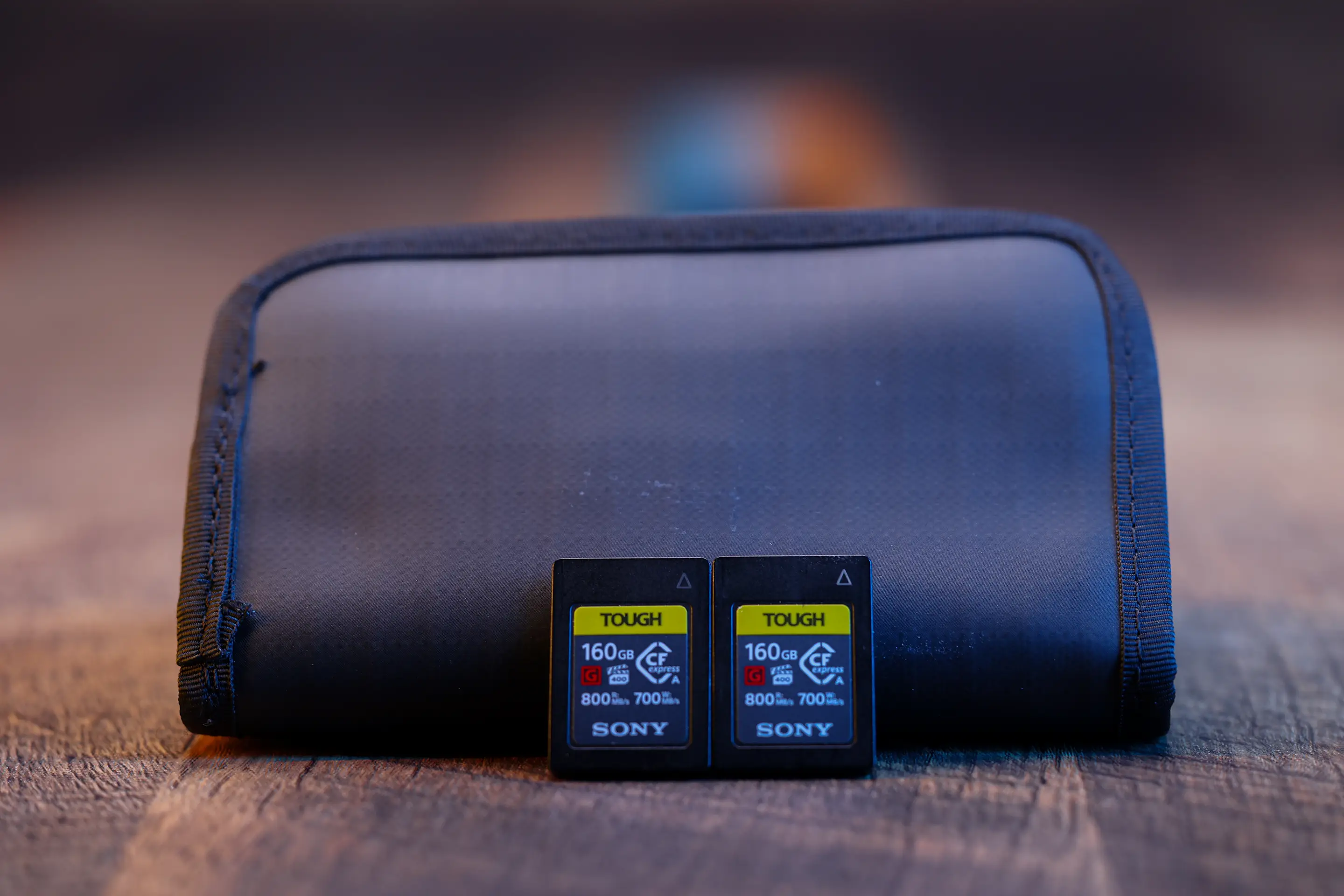
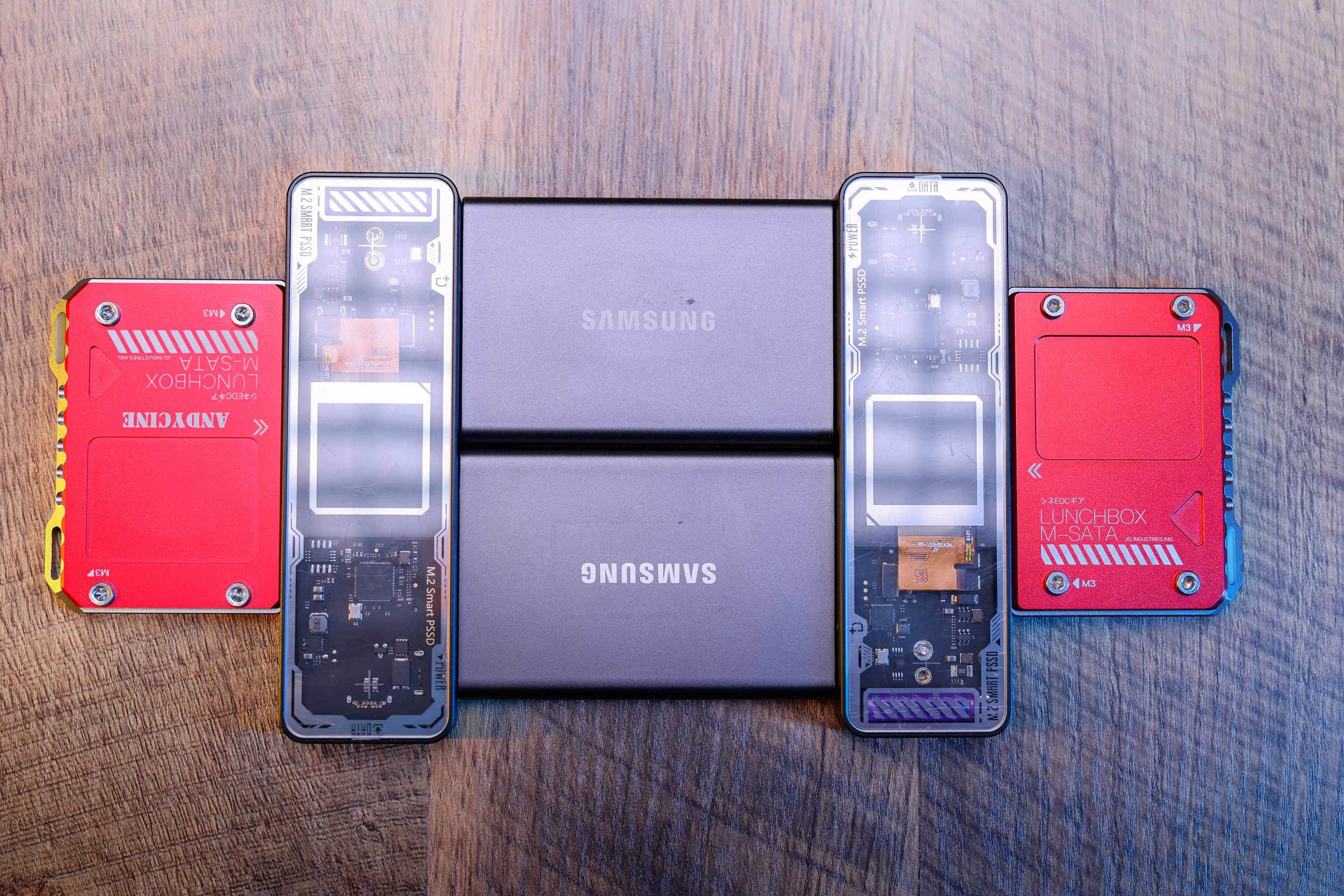
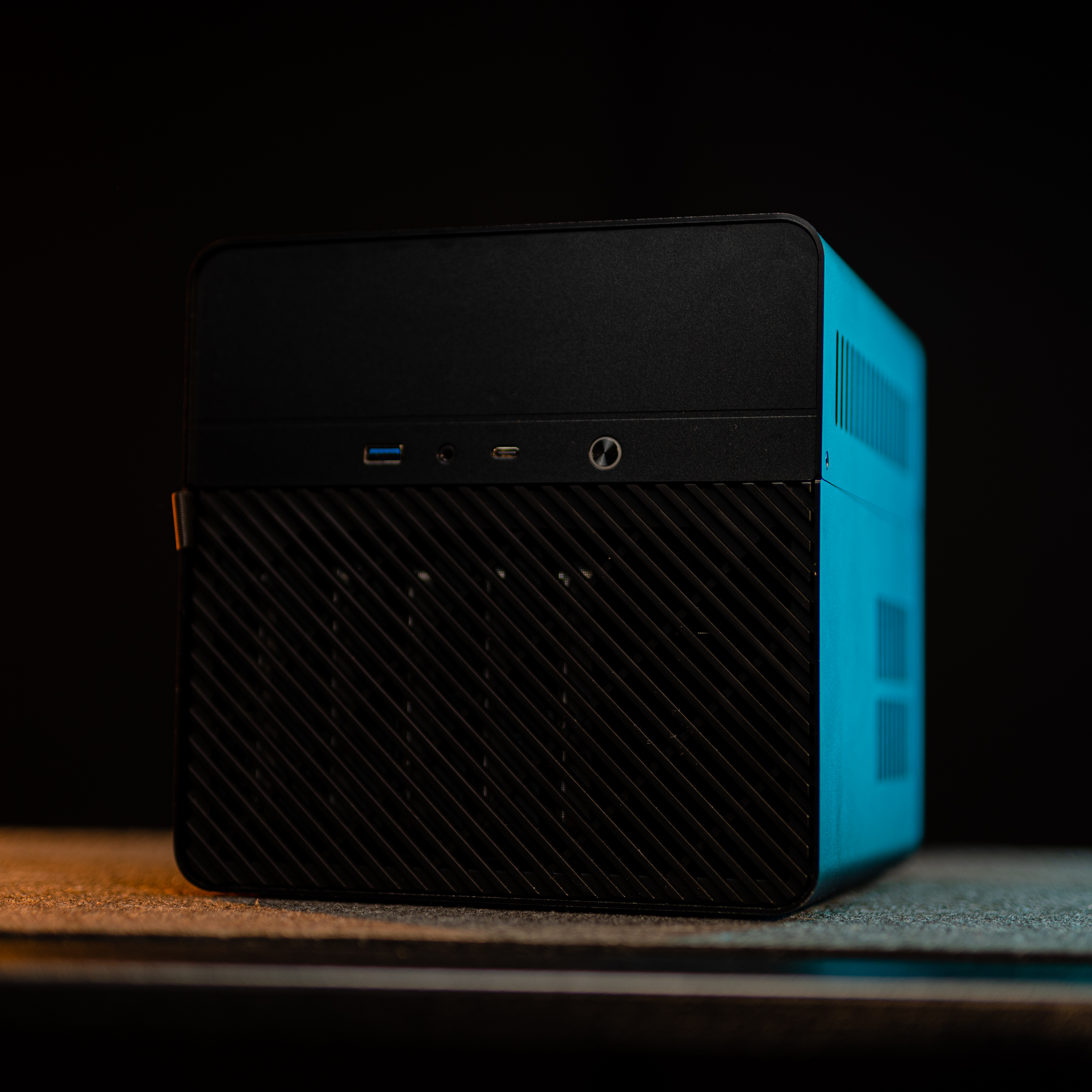
Storage
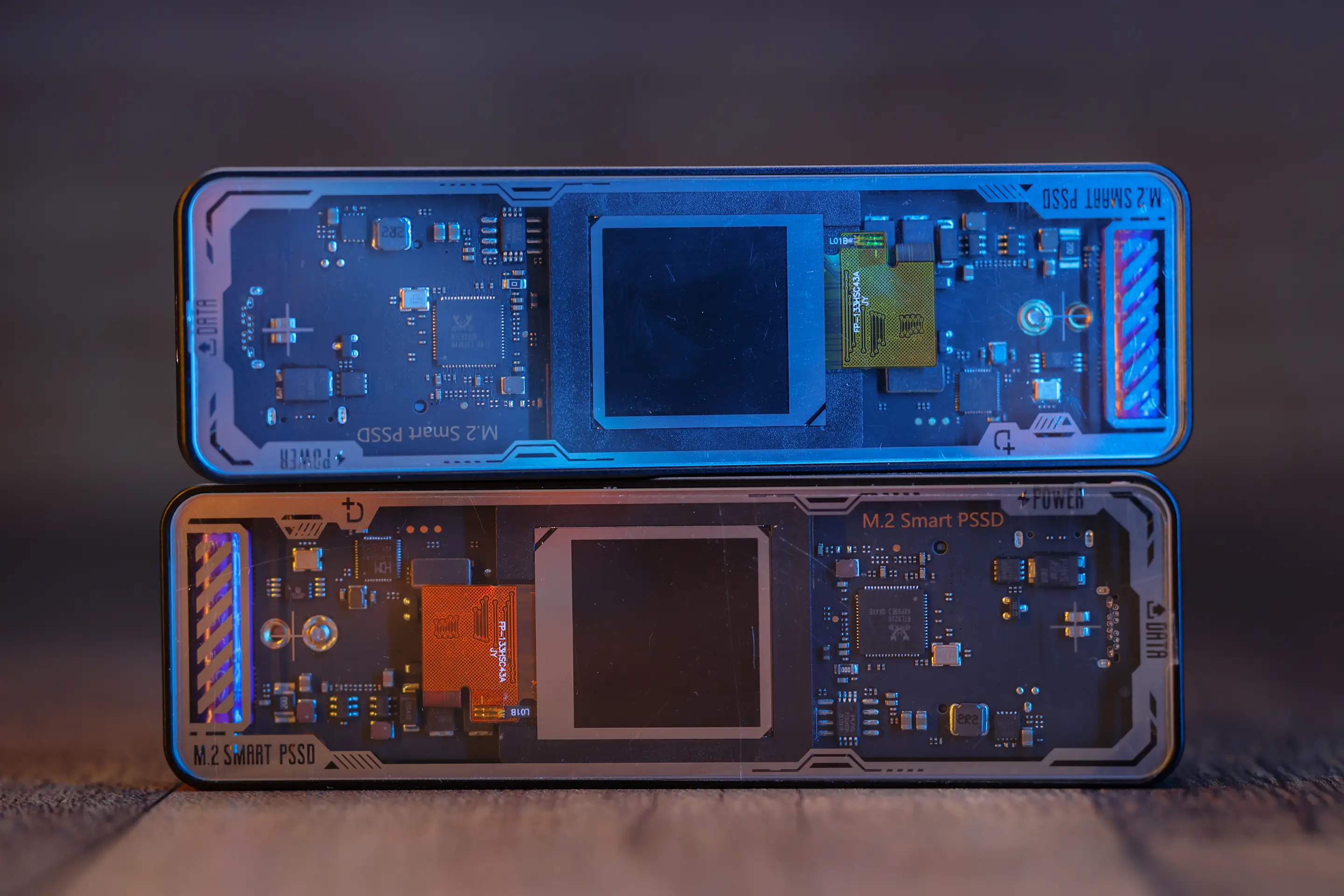
Custom 4TB M.2.
A custom 4TB NVMe drive used as our active working volume. Editing straight off fast local storage is what keeps 4K timelines responsive during a grade.
Specs
- Capacity
- 4TB
- Type
- M.2 NVMe SSD
- Role
- Active edit / working drive
The drive the edit actually runs on.
Every project we cut lives on a fast working drive for the duration of the edit. That's a 4TB M.2 NVMe — a bare drive rather than an off-the-shelf external, built into an enclosure we chose, so we control the controller, the thermals and the interface it hangs off. It isn't archive storage and it isn't a backup. It's the scratch surface the timeline is being played back from, and it has exactly one job: never be the reason the edit stutters.
Editors underestimate how much a slow drive costs them. Multicam wedding timelines with four angles, a colour-graded commercial with several layers of high-bitrate source, or a real-estate walkthrough conformed at full resolution — all of these are asking the drive to feed several streams at once while the CPU and GPU are already busy. On a spinning disk or a saturated USB bus, you start proxying everything, and proxies mean a round trip back to full-res later and one more place for a mistake to hide. NVMe means we cut natively, at full resolution, against the actual camera files.
Why 4TB, and why a working drive is not a backup.
4TB is sized to hold a full production — the camera originals, the audio, the graphics, the cache and render files — with room to breathe. A drive that's nearly full is a slow drive, and a working drive that runs out of space mid-grade is a bad afternoon. But the important thing about this drive is what we assume about it: we assume it will fail.
- Footage lands here only after it already exists on two other drives.
- Cache, renders and proxies live here too — all of it is disposable and rebuildable by design.
- The project file and the graded, finished deliverables are pushed off to the archive continuously, not at the end.
- Nothing on this drive is the only copy of anything, ever.
Speed is a deadline tool.
The reason we spend money here isn't benchmark bragging. It's that fast storage compounds. A scrub that responds instantly means you actually try the third version of a cut instead of settling for the second. A render that finishes in a coffee break means a client revision lands the same day instead of the next one. Over a project, the drive buys back hours, and those hours go back into the work — into another pass on the edit, another look at the grade — instead of into watching a progress bar. When the project wraps and the deliverables are out the door, the whole thing gets moved to the archive and this drive gets wiped clean for the next one.