Misc
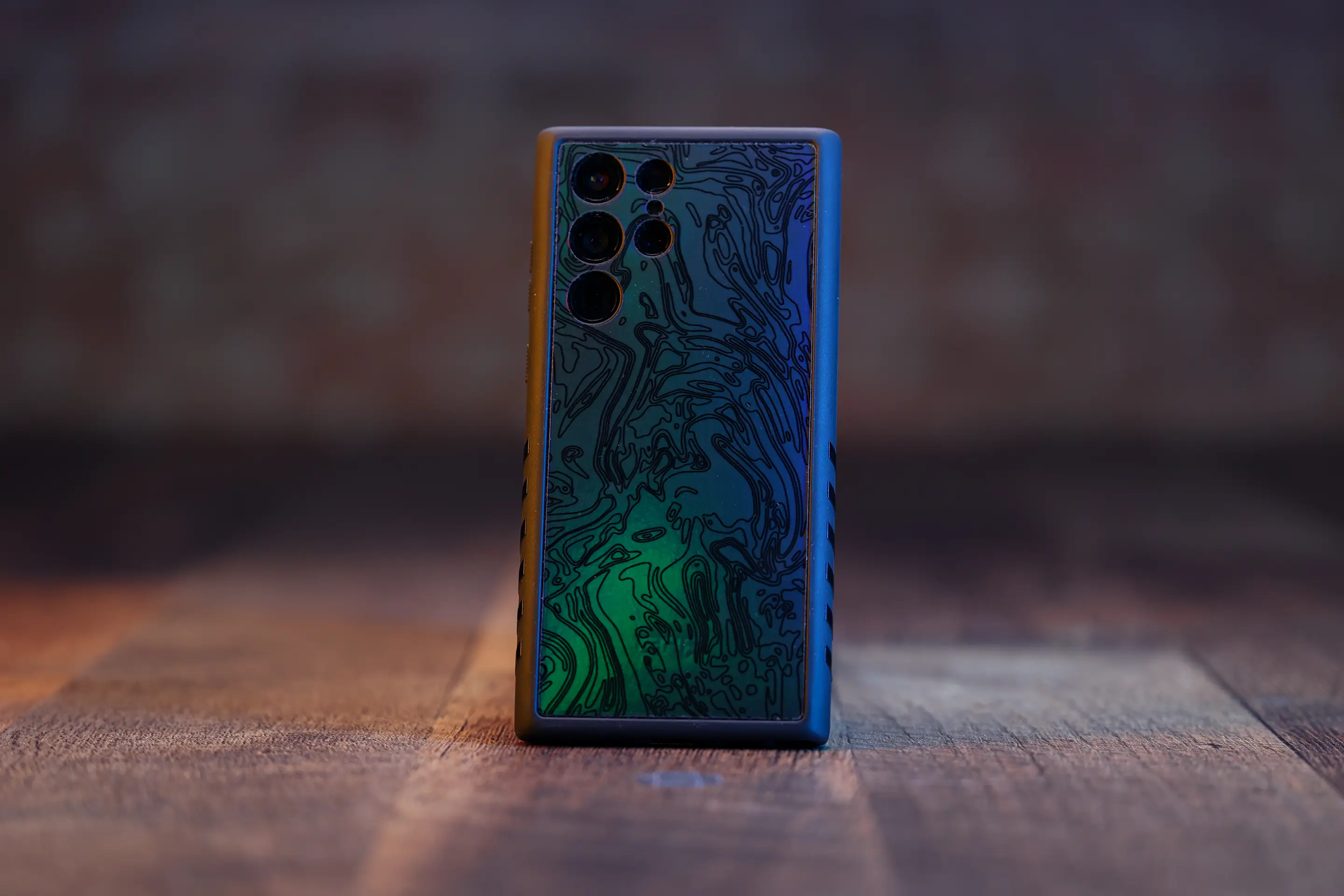
S22 Ultra.
A capable phone camera we use for behind-the-scenes content, social clips, and vertical deliverables shot alongside the main production.
Specs
- Rear cameras
- 108MP wide, 12MP ultra-wide, 2 × 10MP telephoto (3x and 10x optical)
- Video
- Up to 8K recording
- Display
- 6.8-inch Dynamic AMOLED 2X, Quad HD+
- Battery
- 5,000 mAh, 45W fast charge
- Role
- Behind-the-scenes, social and vertical content
The camera that's always already out.
The Galaxy S22 Ultra is not the camera we shoot the film on. It's the camera we shoot everything around the film on. Behind-the-scenes clips, vertical cutdowns for social, a quick reference frame for the client, a lens test on a scout — all of it comes off the phone, and all of it would otherwise not exist, because the alternative is unpacking a cinema camera to grab fifteen seconds of a light stand going up.
That's the real argument for a good phone in a production kit. The best camera on a shoot day is frequently the one that's already in your hand, because the moments worth capturing behind the scenes never announce themselves. By the time you've built a rig, the moment is over.
What it's genuinely good at.
It's a four-camera system: a 108MP main sensor, a 12MP ultra-wide, and two 10MP telephotos at 3x and 10x optical. It shoots up to 8K. Those numbers are not why we carry it — 8K off a phone sensor is not something we'd cut into a client's film — but the reach is genuinely useful. Two real optical telephotos means BTS from across a room without walking into the shot, which is the whole trick to good behind-the-scenes footage: you want to be invisible, and you can't be invisible standing three feet from the talent.
The 6.8-inch AMOLED display is bright enough to actually see outdoors, which matters when you're framing on a sunlit street rather than in a lobby. And the 5,000 mAh battery survives a full wedding day, which is not a spec sheet detail so much as a working requirement.
Where it earns its place.
- Vertical content shot native to the format, not cropped out of a horizontal frame as an afterthought.
- Behind-the-scenes on commercial and brand shoots — the material clients use to show how the thing got made.
- Same-day social clips, cut and posted from the phone while the shoot is still happening.
- Location scouting — framing reference stills so a shot list is built against real geometry, not memory.
- Client reference frames and setup photos for continuity across a multi-day shoot.
Knowing what it isn't.
We're deliberate about the line. A phone can't do what a full-frame cinema camera does with dynamic range, depth of field, or a dim reception hall, and pretending otherwise would show up in the delivered work. It doesn't need to. Its job is speed, reach and always being there — and inside that job it's excellent.